بِسْمِ اللهِ الرَّحْمٰنِ الرَّحِیْمِ
أَلَا إِنَّ أَوْلِيَاءَ اللَّهِ لَا خَوْفٌ عَلَيْهِمْ وَلَا هُمْ يَحْزَنُونَ ۝ الَّذِينَ آمَنُوا وَكَانُوا يَتَّقُونَ ۝
"Behold! Verily on the friends of Allah there is no fear, nor shall they grieve — those who believe and are conscious of Allah (have Taqwa)." - (Quran 10:62–63)

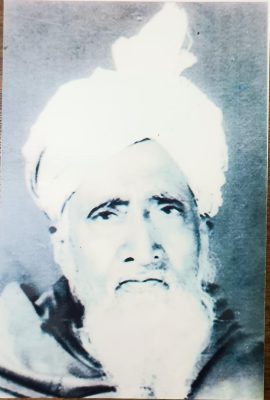
Makhdumal Ulma Hazrat Mufti Qazi Ubaid ullah Alvi Naqshbandi Dervi

رحمۃ اللہ علیہ

Renowned Islamic scholar, jurist, and spiritual guide whose teachings continue to illuminate the path of knowledge and righteousness for Muslims worldwide.

Learn More About His Life
0
Years of Service
0
Students Taught
0
Books Authored
0
Lectures Delivered

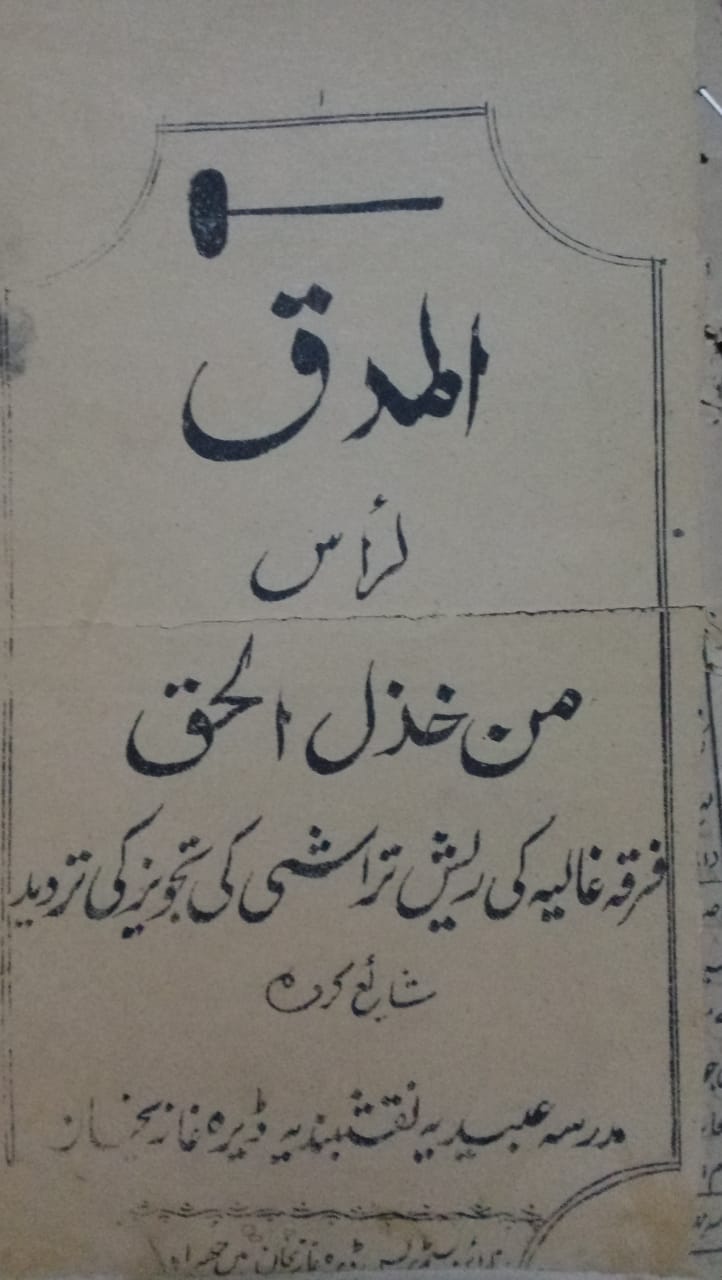
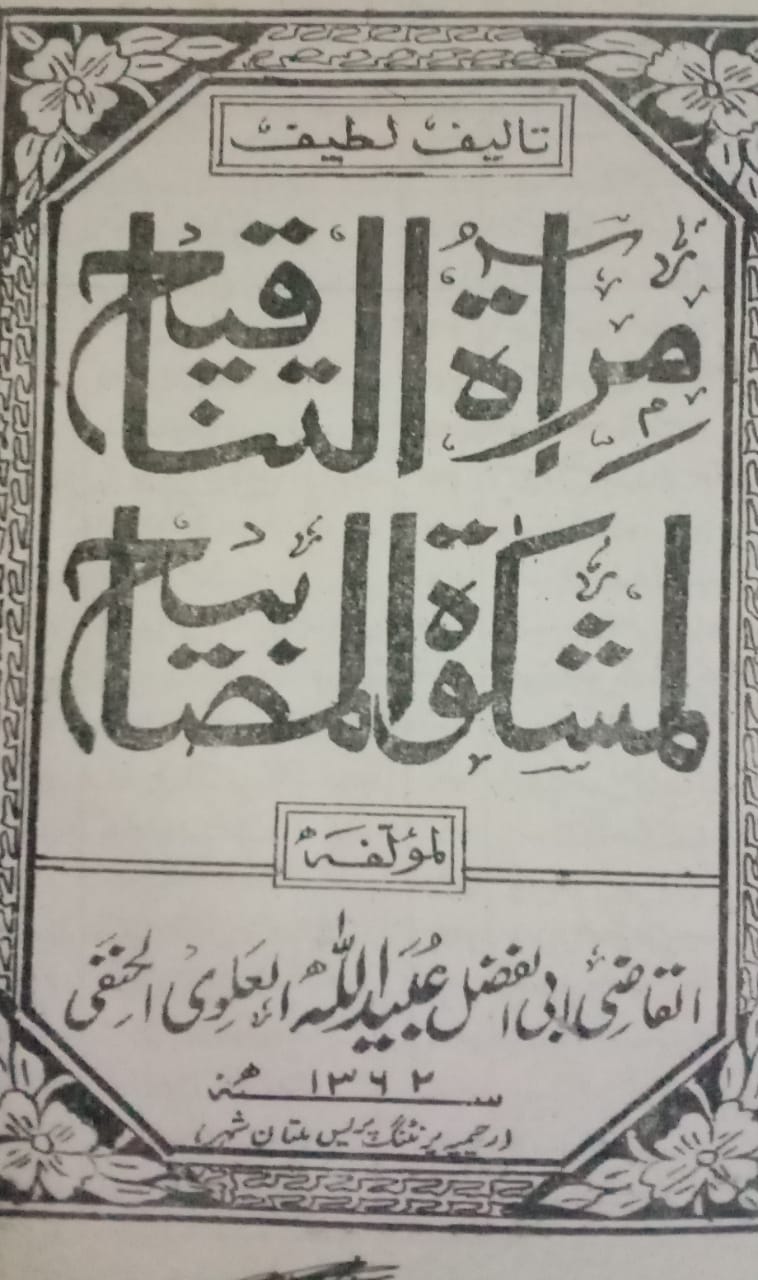
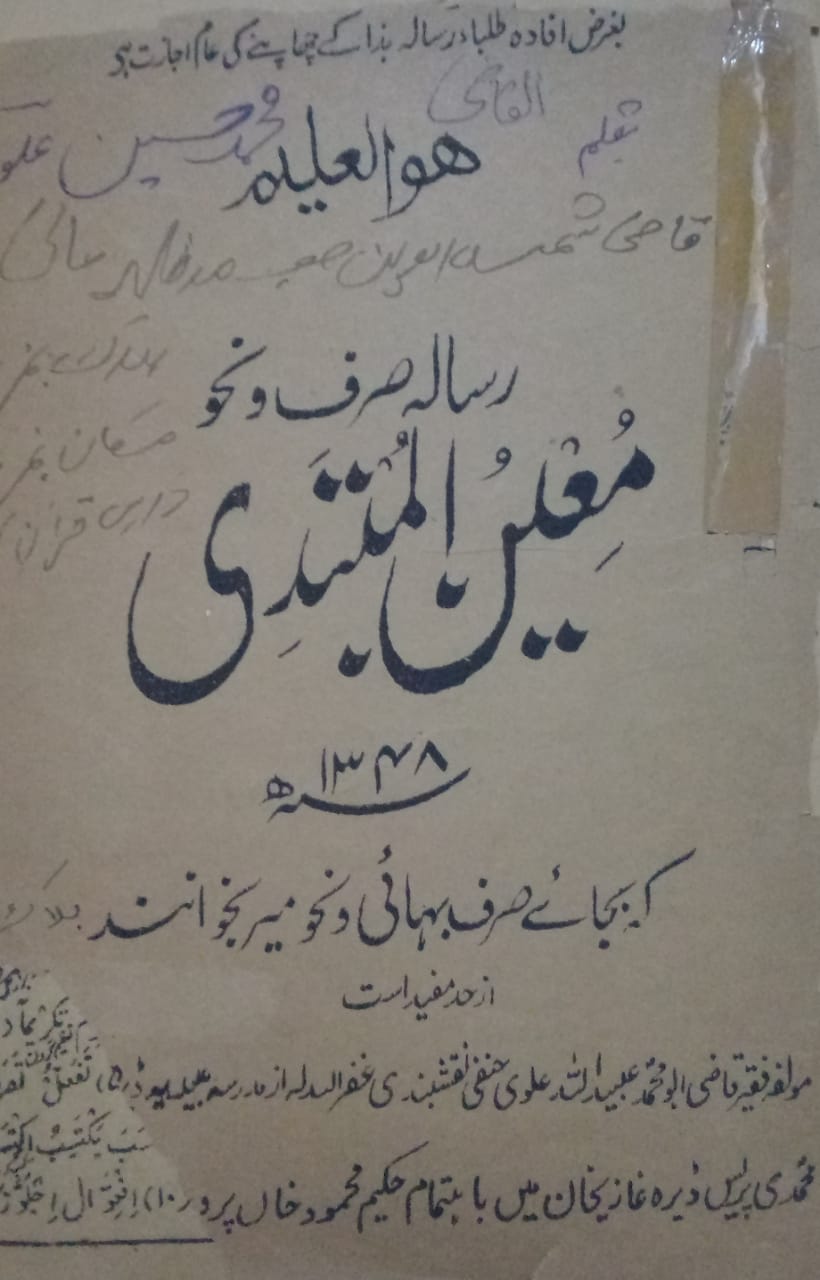
Recent Publications

Discover the latest contributions to Islamic scholarship
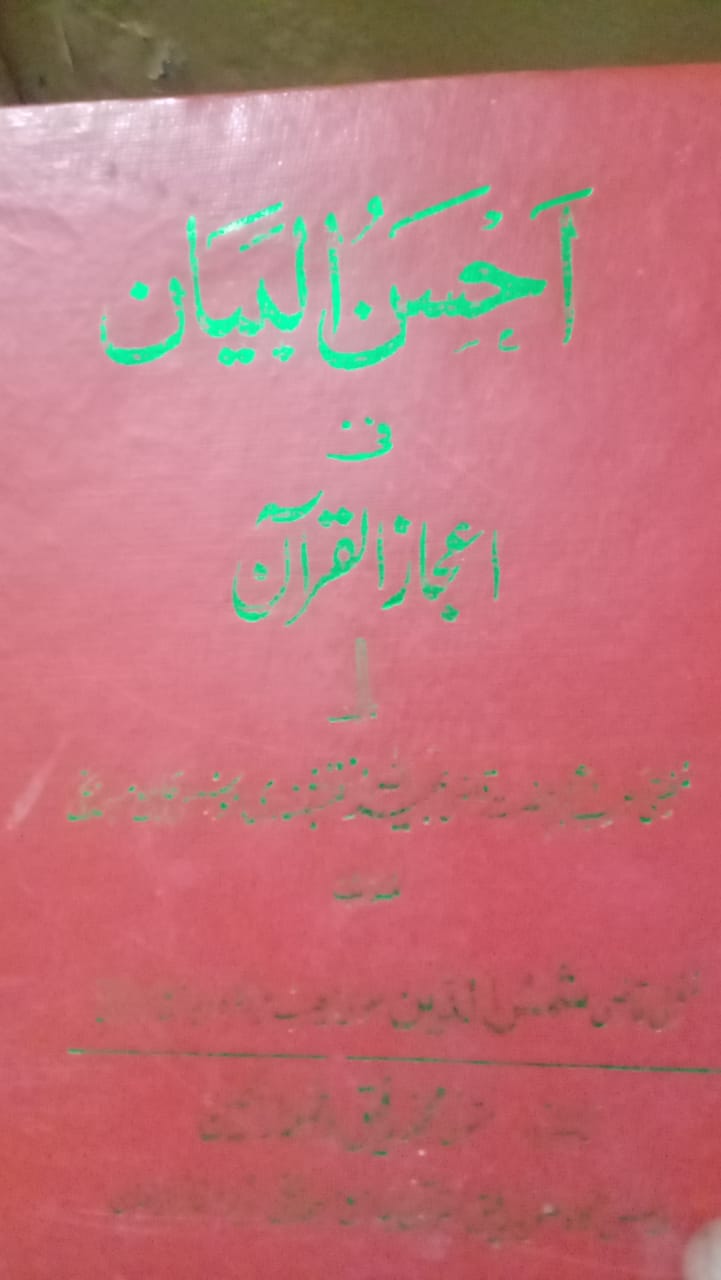
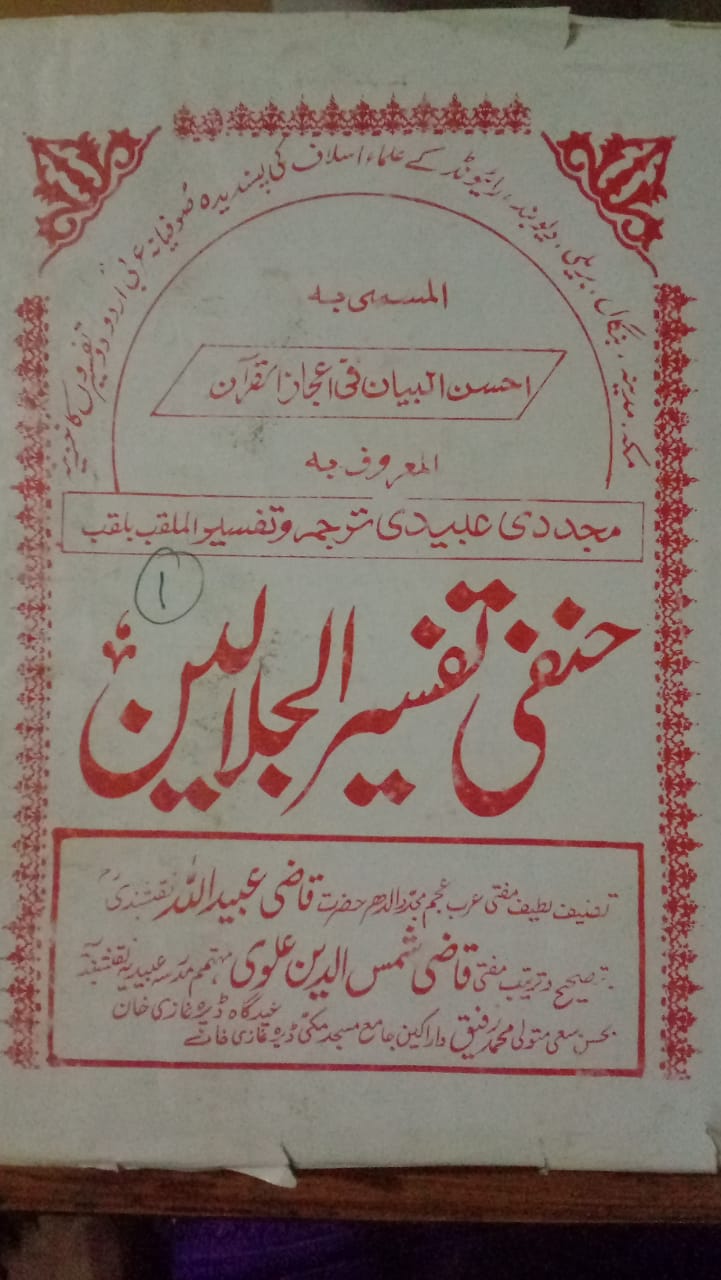
Ahsan Ul Bayan

Ahsan Ul Bayan fi I’jaaz al-Qur’an is a scholarly work by Mufti Qazi Ubaid Ullah that explains how the Qur’an’s language and message are miraculous and beyond human ability—proving it to be divine revelation.

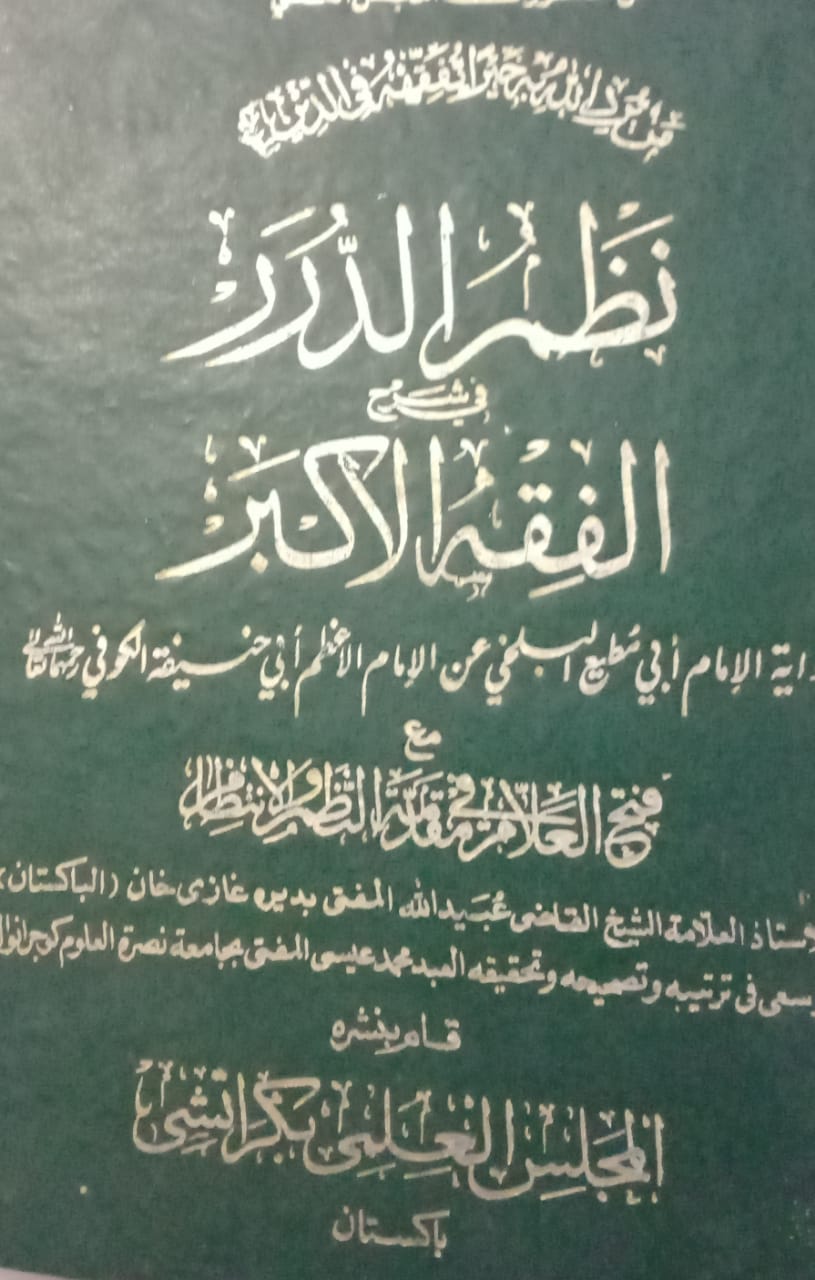
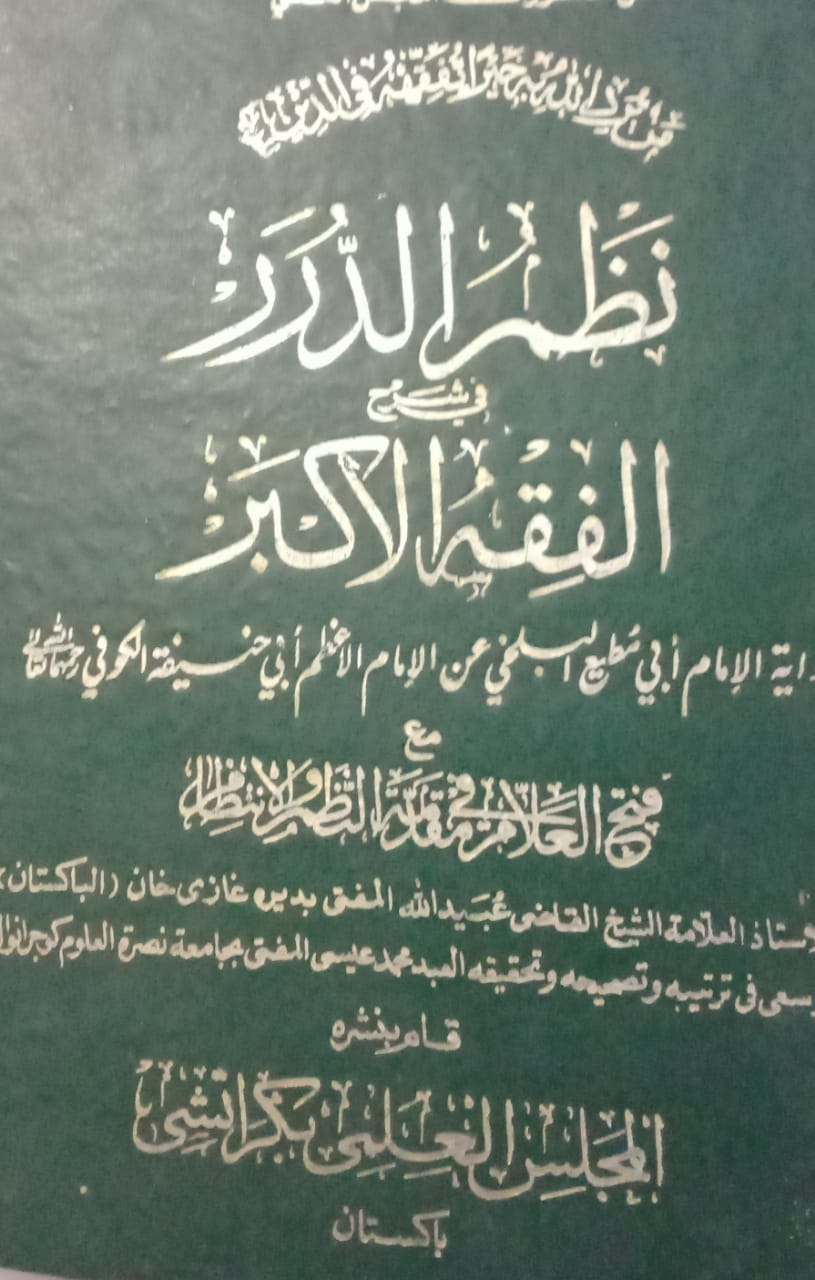
Nazm al-Durr

نظم الدر (Nazm al-Durr) is a book by Mufti Qazi Ubaid Ullah that presents Quranic insights with clarity and depth. Its title means “Arrangement of Pearls,” symbolizing the beauty and precision of the Qur’an’s message.

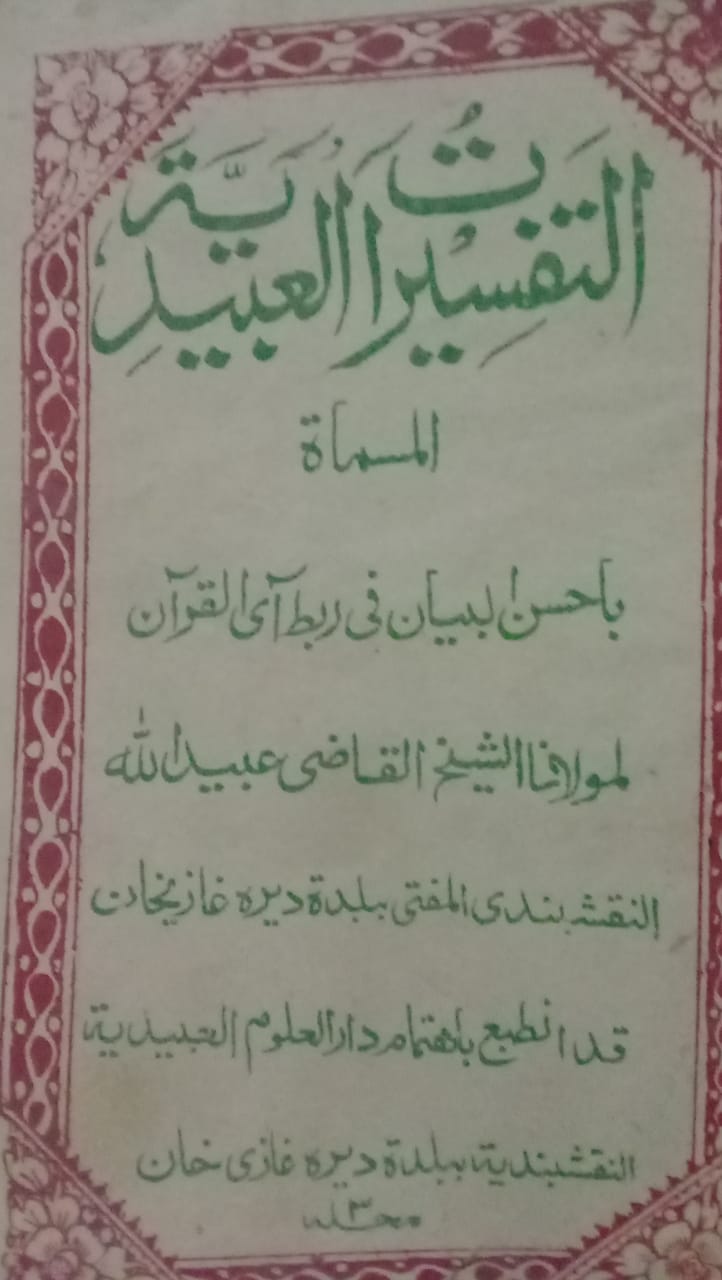
Tafsil e Ubaidia

Mufti Qazi Ubaidullah (رحمۃ اللہ علیہ) compiled an Arabic tafsir of the Holy Qur’an titled Al-Tafāsīrāt al-‘Ubaidiyyah, consisting of one volume with 224 pages. In its introduction, he explains that the work aims to highlight the coherence and interrelation between Qur’anic verses and surahs—an aspect often overlooked by earlier scholars. Recognizing the need for clarity and unity in interpretation, he undertook this effort to aid understanding and spiritual reflection. Qari Muhammad Tahir Rahimi Multani praised this tafsir, noting its distinct scholarly merit and describing it as a unique contribution to the knowledge of Qur’anic harmony.
What People Say

Testimonials from students and scholars

"Hazrat Mufti Sahib's depth of knowledge and gentle teaching style transformed my understanding of Islamic jurisprudence. His guidance continues to be a source of blessing in my life."
- Dr. Muhammad Ahmad, Islamic Scholar

Events

Memorial lectures and educational programs

1974
The Blessed Journey to the House of Allah
Makkah, Madina

In 1974, Hazrat Mufti Qazi Ubaidullah Alvi (رحمۃ اللہ علیہ) visited Madinah before Hajj out of love for the Prophet (صلی اللہ علیہ وآلہ وسلم). At the Rawdah, he kissed the noble grille without interruption. A revered scholar, he taught at Masjid al-Nabawi and near the Kaaba, where scholars gathered to benefit from his knowledge.

Learn More
December 30, 1981
The founding of Madresa Arabiya Islamia Usmania in 1981
Multan

On December 30, 1981, he laid the foundation of Madresa Arabiya Islamia Usmania in Block D. In Multan, a notorious group of criminals and drug addicts had taken control of the land where the famous Madresa Qasimul Ulum was situated. Upon his order, his brother Inspector Qazi Abdul Rahman Alvi (رحمت اللہ علیہ) took action and managed to reclaim the land from the wrongdoers. In 1940, with the help of Mufti Muhammad Shafi (Fazil Deoband), Maulana Muhammad Hussain Madani (رحمت اللہ علیہ), the head of Darul Uloom Deoband, and Maulana Mufti Muhammad Abdullah (رحمت اللہ علیہ), he established Qasimul Ulum Madresa in Multan. Hazrat Mufti Qazi Obaidullah Alvi (رحمت اللہ علیہ) dedicated his entire life to the implementation of the Shariat-e-Muhammadi (Prophetic system) in Pakistan and worked tirelessly for the establishment of mosques and madrasas, leaving behind an invaluable legacy in the field of Islamic education.

Learn More

About Hazrat Mufti Qazi Ubaidullah Alvi

رحمۃ اللہ علیہ

Early Life and Education

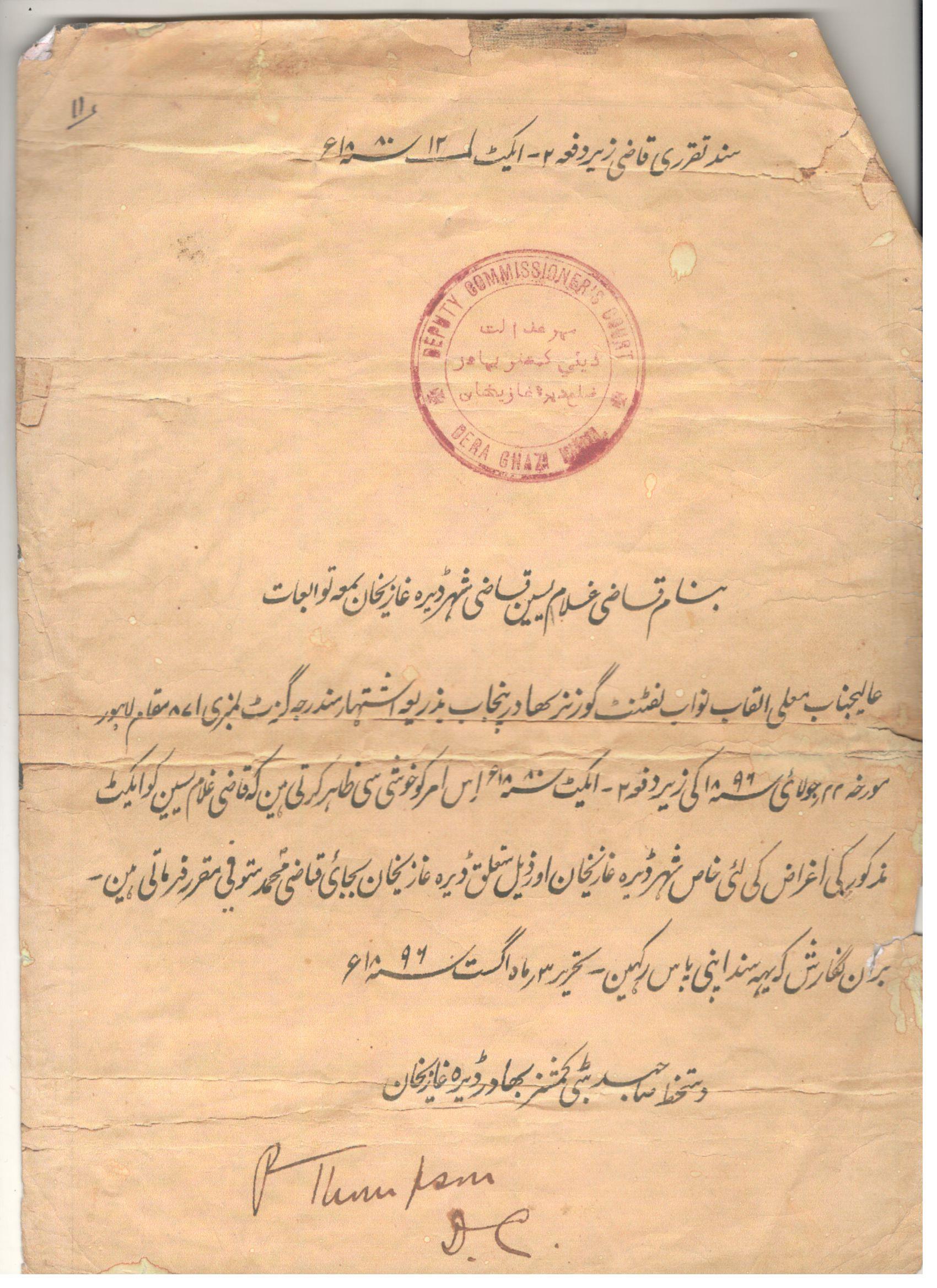
Hazrat Mufti Qazi Ubaidullah Alvi Naqshbandi Dervi رحمت اللہ علیہ was a distinguished Islamic scholar, revered judge, and spiritual guide born on 8 Shawwal 1321 Hijri (1900) in old Dera Ghazi Khan, Pakistan. He departed from this world on 22 August 1985 while in the sacred posture of Sajdah, and was laid to rest at Eid Gah Ubaidia, near City Park in Dera Ghazi Khan. The son of the honorable Maulana Mufti Qazi Ghulam Yasin Alvi رحمت اللہ علیہ, who held the esteemed position of Islamic Judge (Al-Qazi al-Qadha al-Shahr) in the city, Hazrat Mufti Sahib followed in his father's scholarly footsteps by serving as the Qazi-e-Sheher of Dera Ghazi Khan and dedicating his life to Islamic education and jurisprudence. His service extended to various leadership roles, including presidency of the Jamiat-ul-Ulama-e-Islam Dera Ghazi Khan, Anjuman Hemayat-ul-Islam, and the International Khatam-e-Nabuwat organization.

He was also associated with the Jamiat-ul-Ulama-e-Islam political movement. Hazrat Mufti Sahib was blessed to study under several renowned scholars such as Maulana Ustad Allah Dad رحمت اللہ علیہ, Maulana Abdullah Shah رحمت اللہ علیہ, Maulana Qadir Bakhsh Malkani رحمت اللہ علیہ, and others, and he was honored with Sanads in Hadith by Hazrat Sayyid Ata Allah Shah رحمت اللہ علیہ and Maulana Abdul Karim Shah Jampuri رحمت اللہ علیہ. His noble family included his brothers Qazi Abdul-ur-Rehman Alvi and Qazi Ahmad Ullah Alvi (Multanvi), his sons Qazi Qamar-u-din Alvi (late), Mufti Qazi Shamas-u-din Alvi Baqshbandi رحمت اللہ علیہ, and Qazi Fazal-u-din Alvi (late), as well as two daughters. His immense scholarly contribution includes the authorship of nearly one hundred Islamic books, leaving behind a luminous legacy of knowledge and devotion.

Fatwas of Mufti Qazi Ubaid Ullah رحمۃ اللہ علیہ

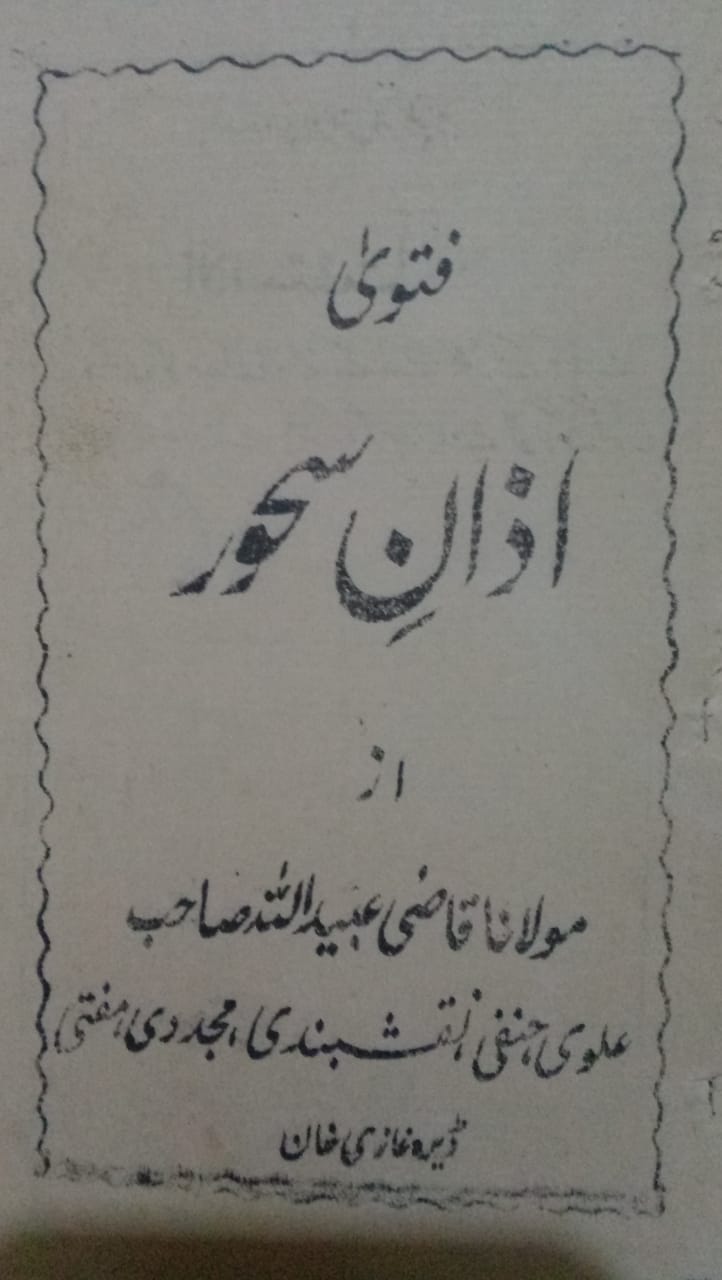
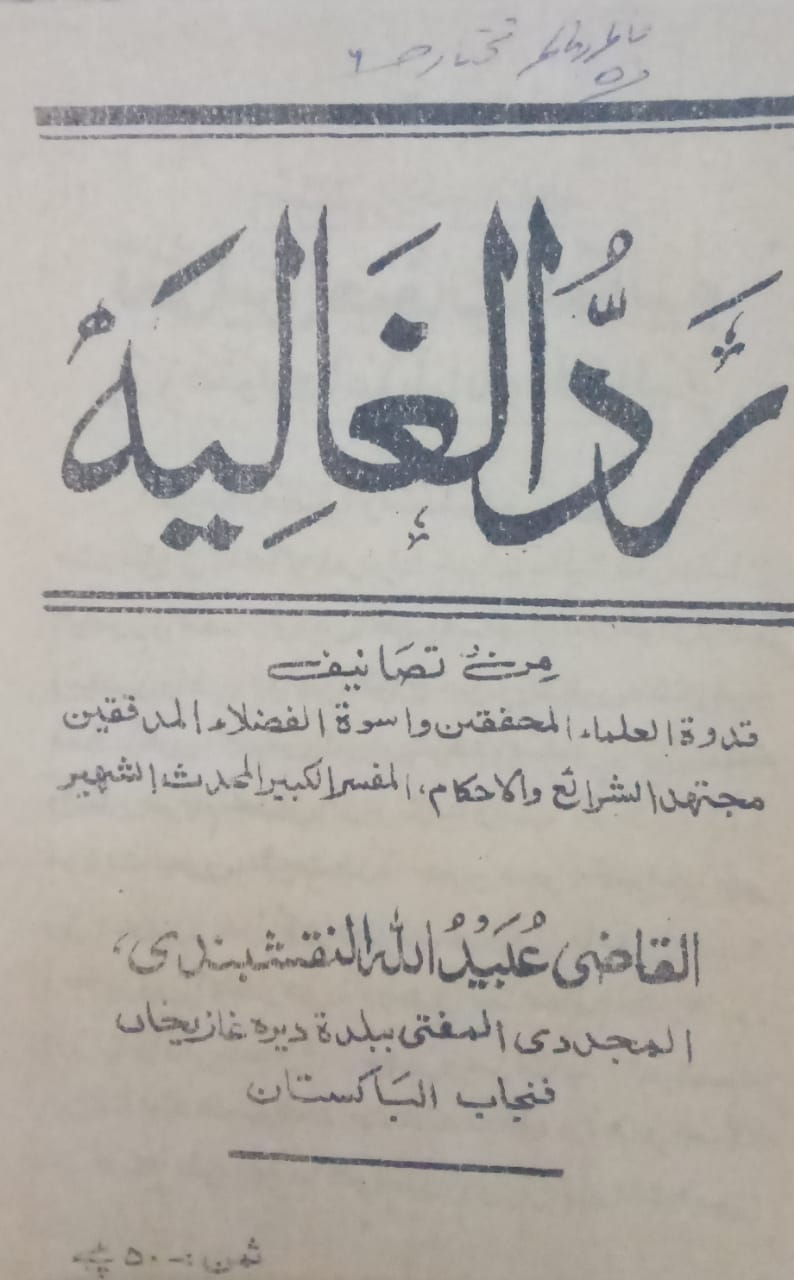
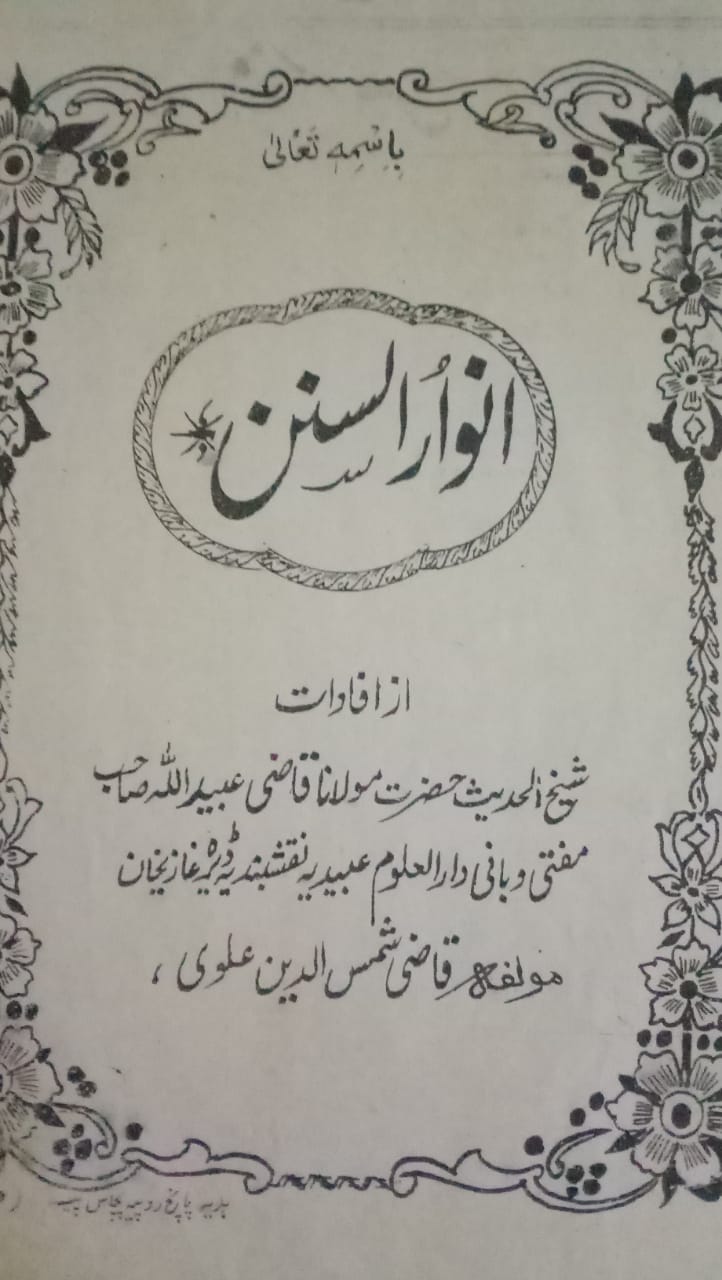
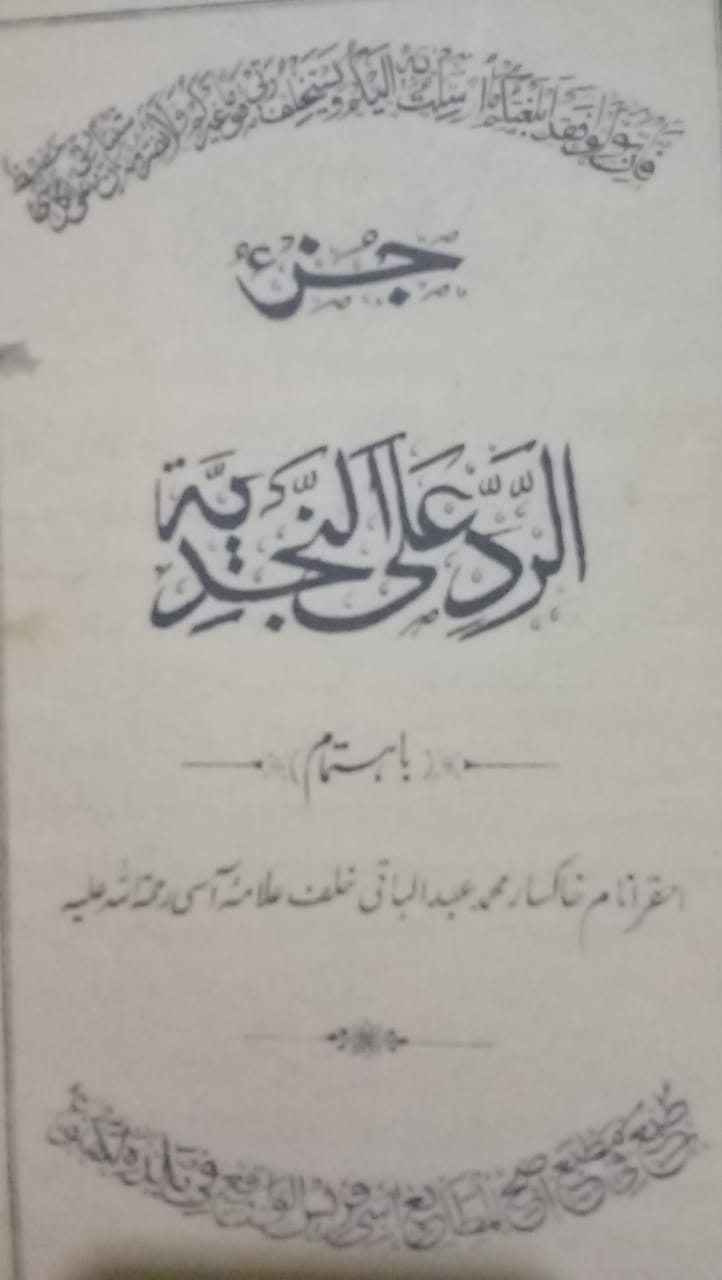
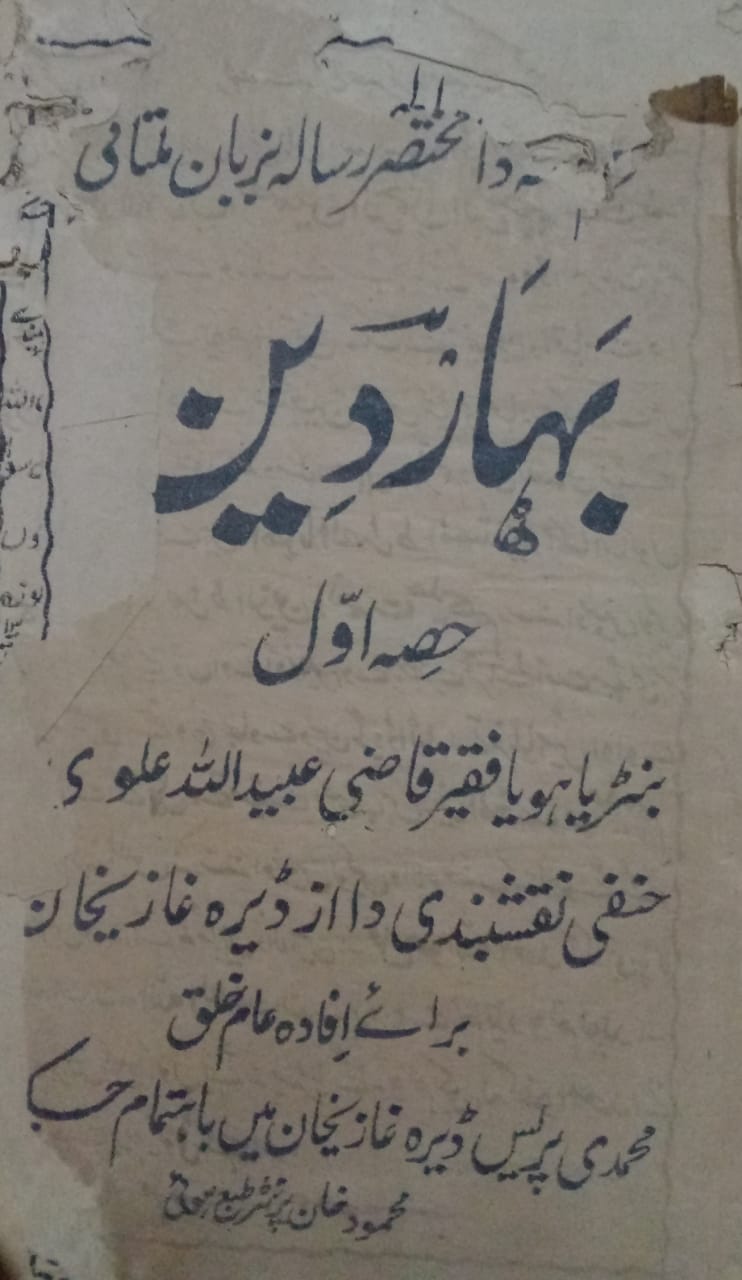
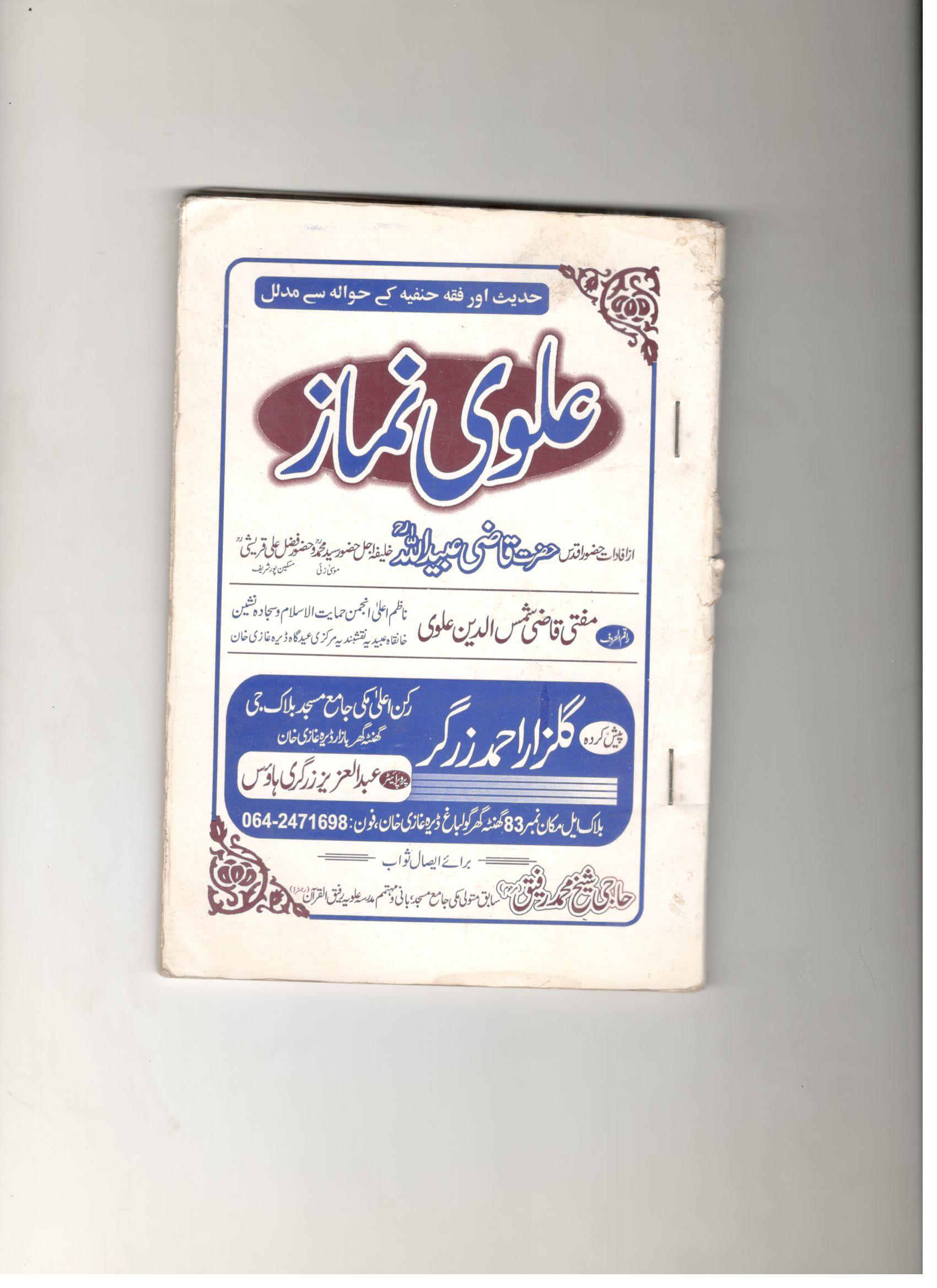
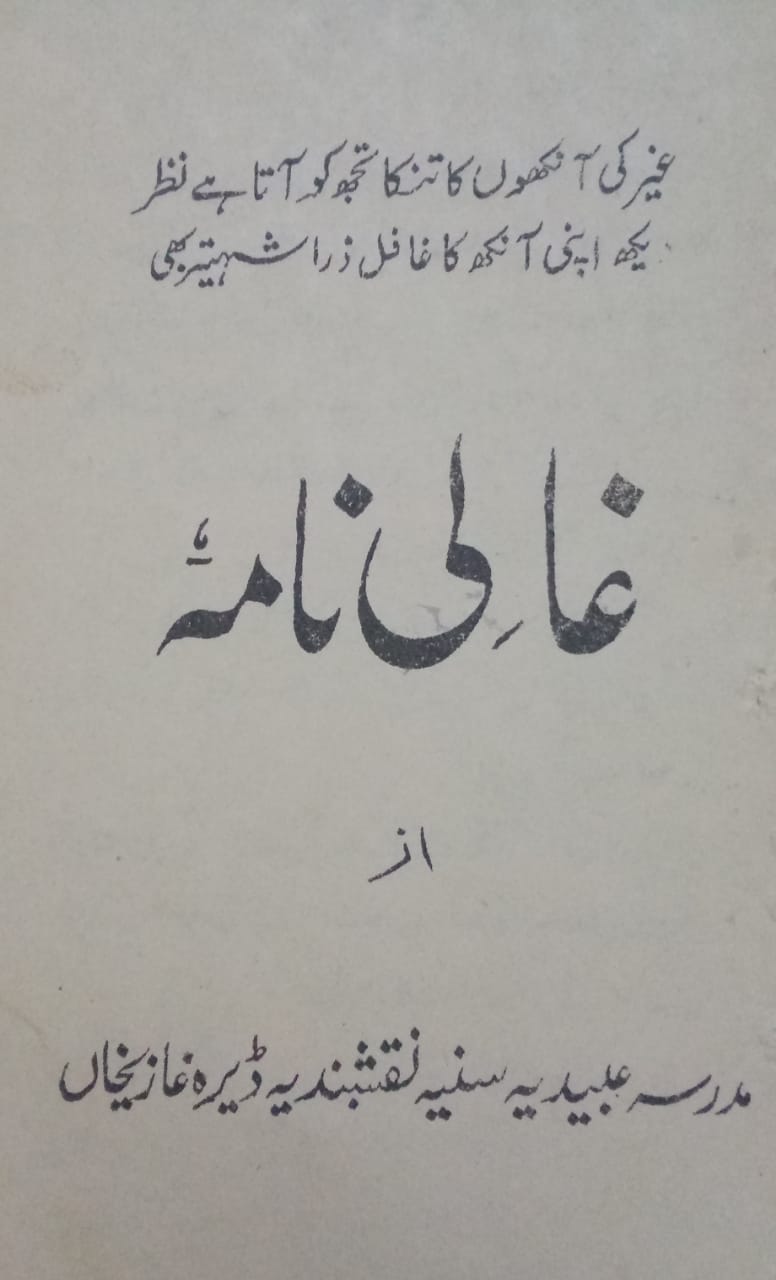
The total number of fatwas issued by Mufti Azam Maulana Mufti Qazi Obaidullah Alvi (Rahimahullah) is countless and unknown, as his fatwas reached various cities in Lebanon, Iran, Iraq, Syria, and the Indian subcontinent. His fatwas even reached the sacred Kaaba, and some of them were sent to Darul Uloom Deoband in India. The original copy of the fatwa was given to the questioner, while copies of more significant fatwas were kept by Mufti Qazi Obaidullah (Rahimahullah) himself. His fatwas were published in the form of two books, "Anwar al-Sunnah" and "Bulugh al-Maram." The format and arrangement of his fatwas were such that Mufti Qazi Obaidullah (Rahimahullah) began with the "Tareekh al-Ulamaa Kiram" and ended with topics of Islamic jurisprudence, such as "Kitab al-Taharah, Kitab al-Salat, Kitab al-Zakat, Kitab al-Nikah, Kitab al-I'tikaf, Kitab al-Hajj, Kitab al-Wakala, Kitab al-Buyoo, Kitab al-Shufa, Kitab al-Dhabi, Kitab al-Qada, Kitab al-Wasiya, Kitab al-Dood, and Kitab al-Jihad," etc. Furthermore, if Mufti Qazi Obaidullah (Rahimahullah) expressed his opinion on a particular issue, he would clarify it under the heading "Taqreed ala Fatwa Kalan".

His fatwas were categorized into three types:

1. General Fatwa: These are fatwas in which Mufti Qazi Obaidullah (Rahimahullah) was in agreement with other scholars.

2. Disputed Fatwa: These fatwas were issued by Mufti Qazi Obaidullah (Rahimahullah) when he disagreed with other scholars on a particular matter.

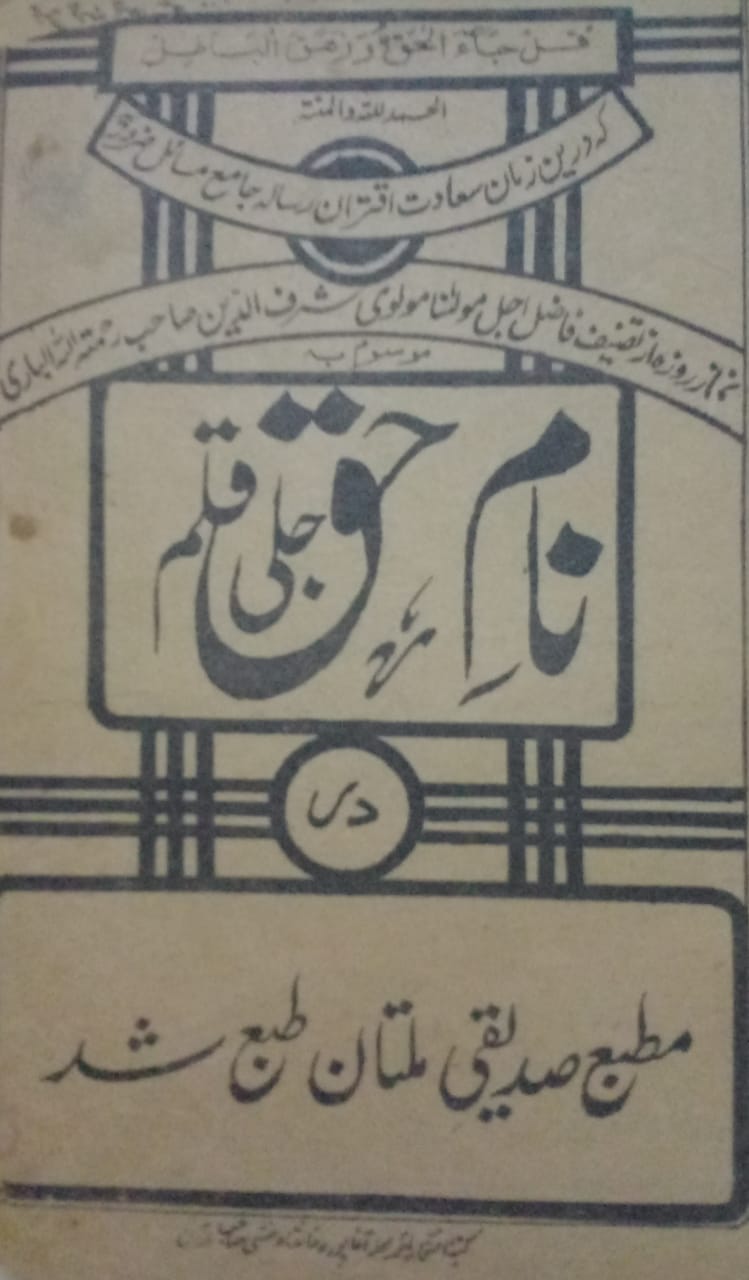
3. Critical Fatwa: These fatwas were those in which Mufti Qazi Obaidullah (Rahimahullah) criticized the fatwas of other scholars. For example, he criticized "Bahar-e-Shariat" and issued fatwas against scholars like Maulana Mufti Kifayatullah Dehlvi (Rahimahullah) and Maulana Qazi Muhammad Bakhsh Choti (Rahimahullah) from D.G. Khan.

The Role of Hazrat Mufti Qazi Ubaidullah Alvi (رحمۃ اللہ علیہ) in Establishing the Islamic Legal System in Pakistan

Hazrat Maulana Mufti Qazi Ubaidullah Alvi Naqshbandi (رحمۃ اللہ علیہ), titled Makhdoom al-Ulama, was a distinguished reformer and jurist of his time. Appointed as the "Qazi of the City", he exemplified deep spiritual vision and unwavering adherence to Divine commandments. Throughout his life, he actively opposed harmful innovations and worked to eliminate misguidance in light of Islamic law. His lifelong mission was the establishment of the Nizaam-e-Mustafa (Prophetic system) in Pakistan. Through his speeches, writings, and foundation of mosques and madrasas, he strived to educate both rulers and the public on the inner and outer blessings of an Islamic way of governance. Notable contributions include:

- In 1925, as Qazi of the city, he issued a fatwa of disbelief (kufr) against the Qadiani movement and spent his life resisting this ideology.

- In 1922, he re-established Darul Uloom Ubaidiya Naqshbandiya in D.G. Khan as a stronghold for spreading the message of Islam.

- He laid foundations for several Islamic institutions, such as:

- Reconstruction of Eidgah Ubaidiya in 1937.

- Co-establishing the renowned Madresa Qasimul Uloom in Multan with great scholars.

- Founding Madresa Niyazia and other institutions across D.G. Khan blocks D, C, Q, and G.

- In 1949, he issued a historic fatwa converting an abandoned Hindu temple into a masjid.

Through these institutions, thousands of Huffaz and scholars have since served Islam across Pakistan and abroad — continuing his vision for the implementation of the Prophetic system.

The Unforgettable Role of Hazrat Mufti Qazi Ubaidullah Alawi Naqshbandi Mujtahid رحمۃ اللہ علیہ in the Protection of the Finality of Prophethood in the Indian Subcontinent (Pakistan and India)."

Hazrat Mufti Qazi Ubaidullah Alawi Naqshbandi Mujtahid رحمۃ اللہ علیہ had an unforgettable role in the defense of the finality of prophethood (Khatm-e-Nubuwwat) in the Indian subcontinent, i.e., Pakistan and India. His following achievements in the cause of Khatm-e-Nubuwwat will be written in golden letters:

1. Mufti Qazi Ubaidullah رحمۃ اللہ علیہ, as the "Qazi of the city," issued a fatwa of disbelief (kufr) against Qadianism in 1924, upon which the Qadianis of Dera Ghazi Khan city and all over India became severely opposed to him.

2. On 12th Rabi-ul-Awwal, Friday, 1346 Hijri (1925), he wrote an Arabic treatise titled "Radd-e-Mirzaiyat" (Refutation of Mirzaiyat), and in the year 1930, he wrote a treatise in Urdu language titled "Qadiani Dharam." In both treatises, he exposed the false prophethood of Mirza Ghulam Ahmad and unveiled the reality, making the general public aware of the truth in the light of the Qur'an and Hadith.

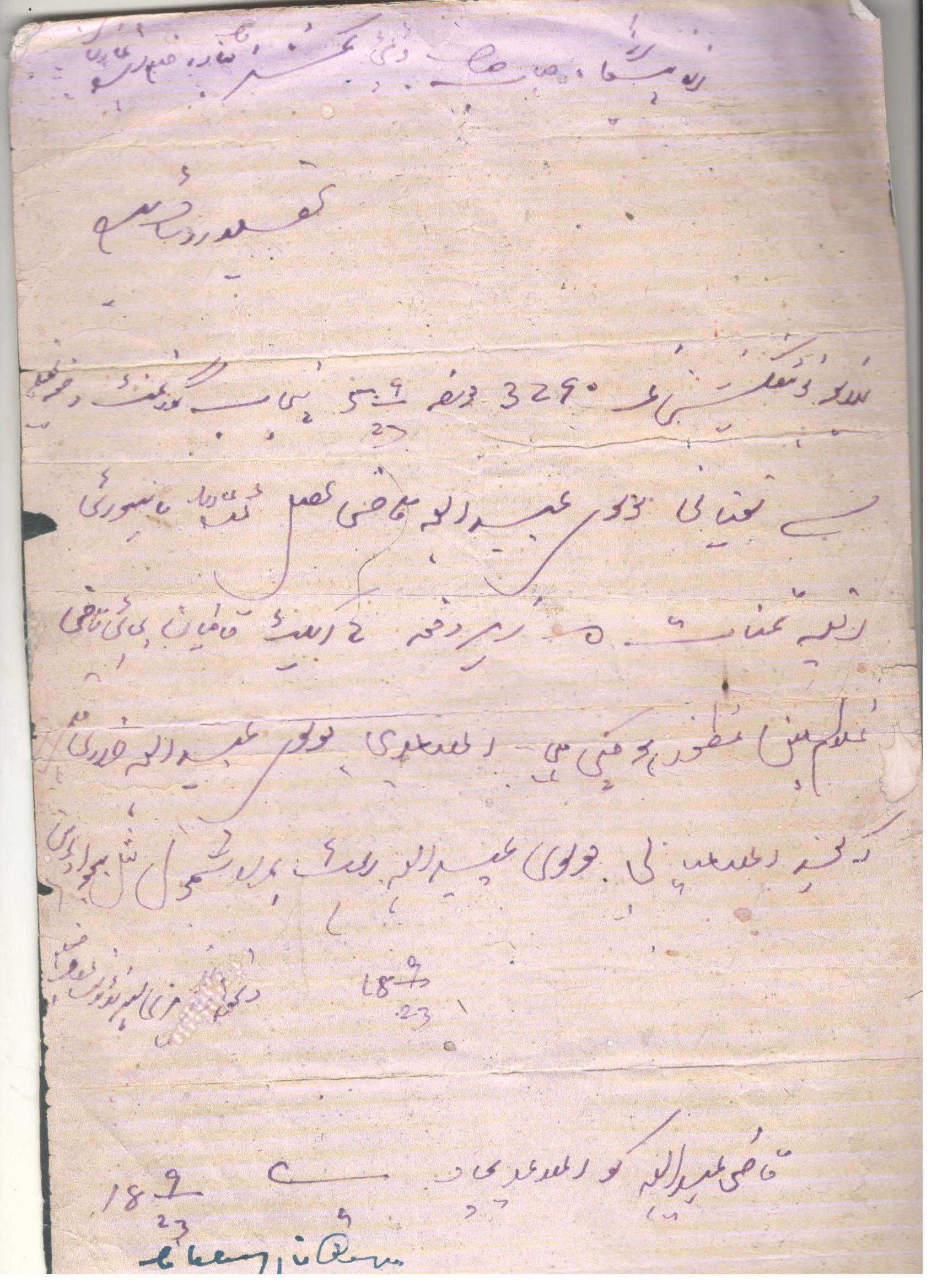
3. In the year 1932, Hazrat Maulana Imam Bakhsh Jampuri رحمۃ اللہ علیہ wrote a letter to Mufti Qazi Ubaidullah رحمۃ اللہ علیہ, asking him to refrain from declaring Mirza Ghulam Ahmad as a disbeliever. The text of the letter is as follows: "To the respected Hazrat Qazi Sahib, Salamun Alaikum wa Rahmatullahi wa Barakatuhu! The respected Hazrat Sahib Quds Sirruhul Aziz Shah رحمۃ اللہ علیہ has never called anyone a disbeliever, neither Mirza Sahib nor anyone else, nor is it his status, and nor do we call anyone a disbeliever. Your claim is incorrect; leave the claim in opposition to the Mirzai. Rather, Hazrat Sahib has called Mirza Sahib 'one of the righteous servants of Allah.' You are unaware of his way. What more can I say? From the humble Imam Bakhsh Fareedi Jampuri رحمۃ اللہ علیہ." Upon which Mufti Qazi Ubaidullah رحمۃ اللہ علیہ enlightened Maulana Imam Bakhsh Jampuri رحمۃ اللہ علیہ regarding Mirza Ghulam Ahmad being a liar and his false prophethood in the light of the Qur'an and Hadith.

4. In May 1936, Mufti Qazi Ubaidullah رحمۃ اللہ علیہ, the conqueror of Qadian, in the town of Hero, Taunsa Sharif, Dera Ghazi Khan, held a great debate for three days against the Mirzais (Qadianis). In this debate, the Mirzai preacher Mullah Muhammad Sharif suffered a humiliating defeat. The brief details of this debate were published in the form of a pamphlet in 1936 by Hazrat Mufti Qazi Ubaidullah’s student, Maulana Ghulam Rasool رحمۃ اللہ علیہ, who was the teacher at Madrasah Ubaidia, Dera Ghazi Khan.

5. Similarly, in the year 1936, two great Mirzai debaters, Mullah Allah Ditta Jalandhari and Mullah Muhammad Sharif, challenged the Muslims for a debate in the city of Dera Ghazi Khan. Hazrat Maulana Mufti Qazi Ubaidullah رحمۃ اللہ علیہ accepted their challenge, and the debate took place in the Mirzai worship house, Block No. 3. Hazrat Mufti Qazi Ubaidullah رحمۃ اللہ علیہ gave them a humiliating defeat in the light of the Qur'an, Hadith, and the statements of Mirza Ghulam Ahmad himself. The Muslim people garlanded him, and Hafiz Muhammad Habibullah رحمۃ اللہ علیہ, a great Hafiz of the Qur'an from Dera Ghazi Khan, came and congratulated him, saying that if no Muslim scholar had accepted the challenge of these Mirzai debaters, I was ready to accept Mirzaiyat.

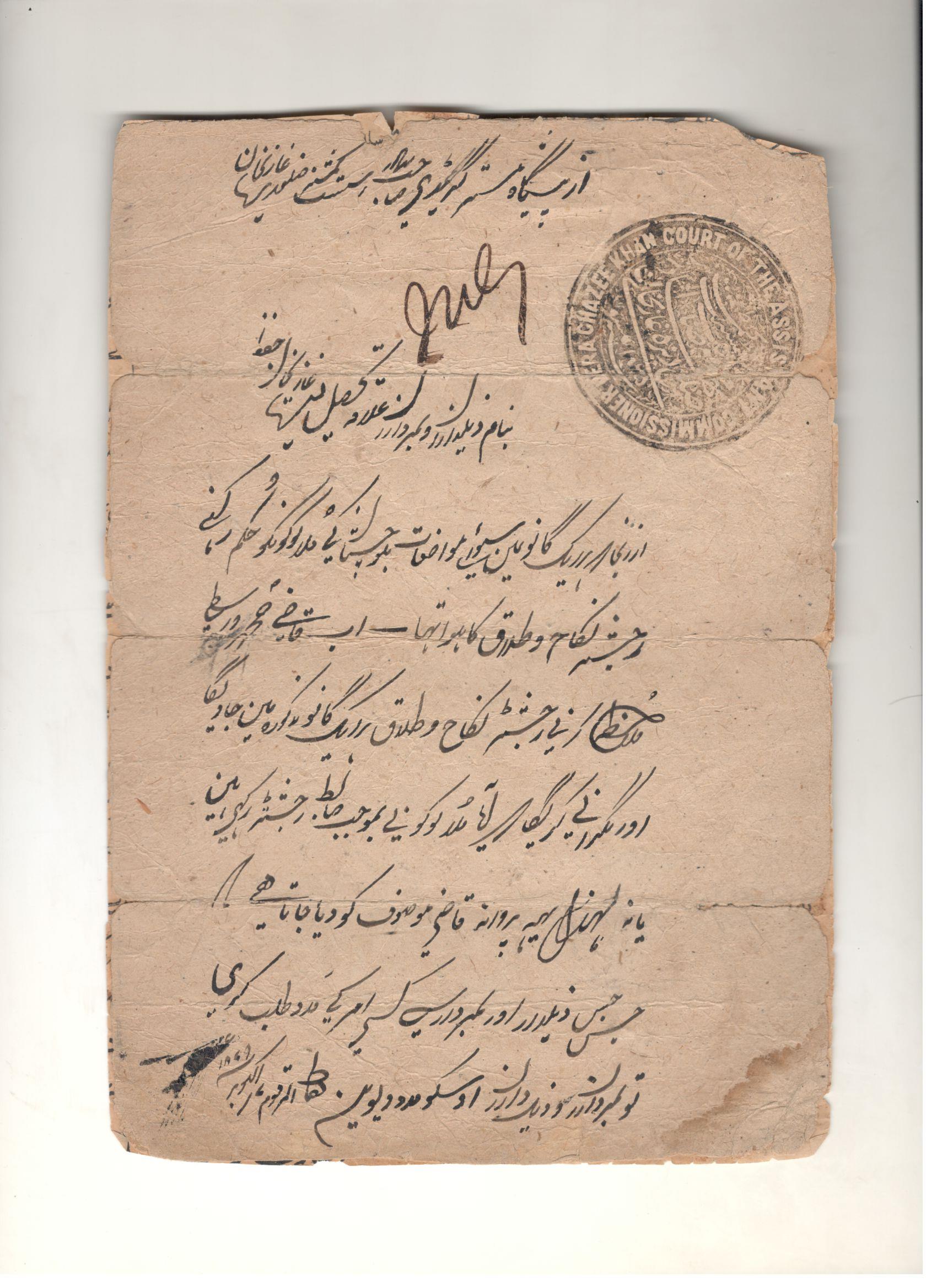
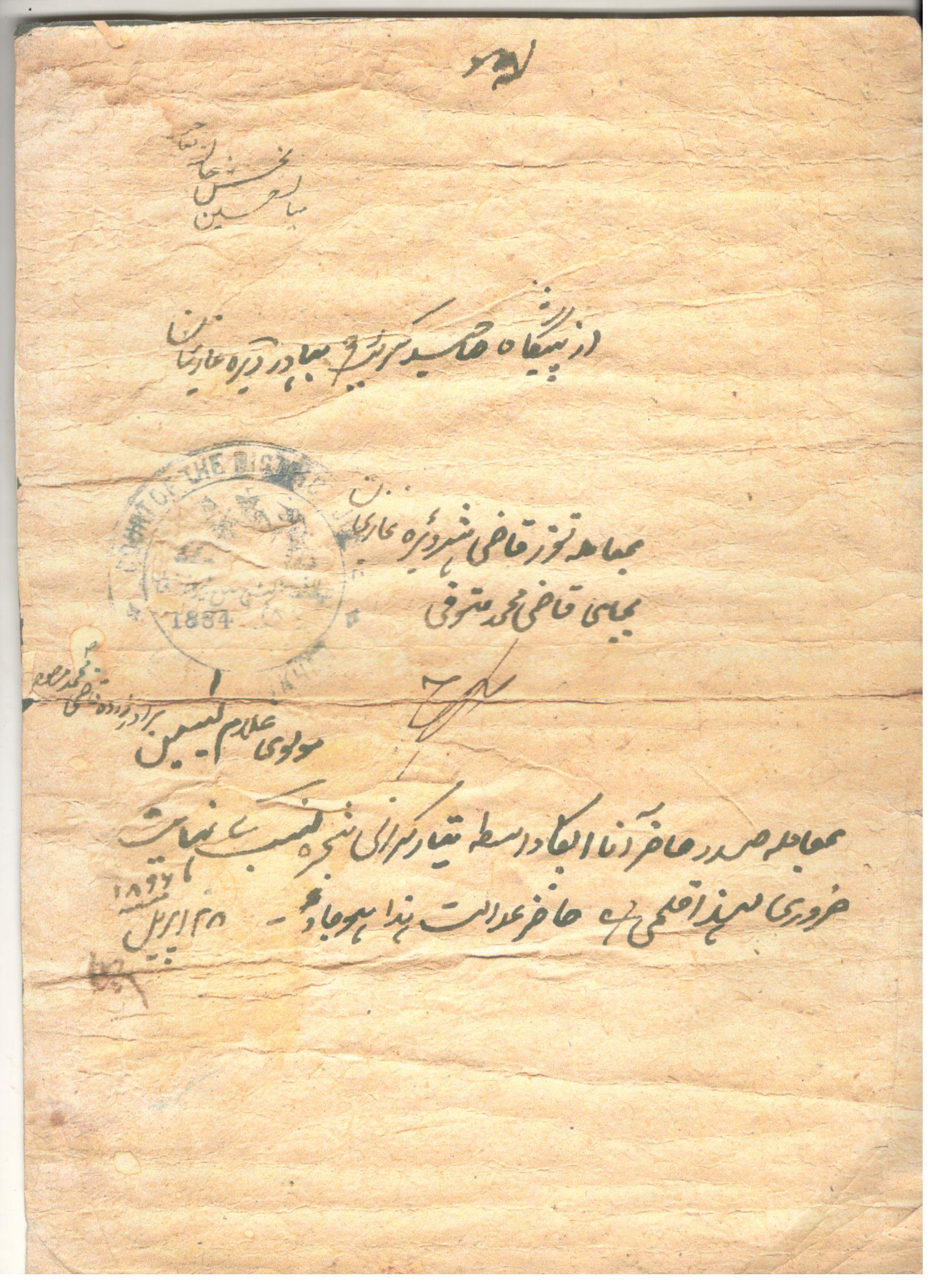
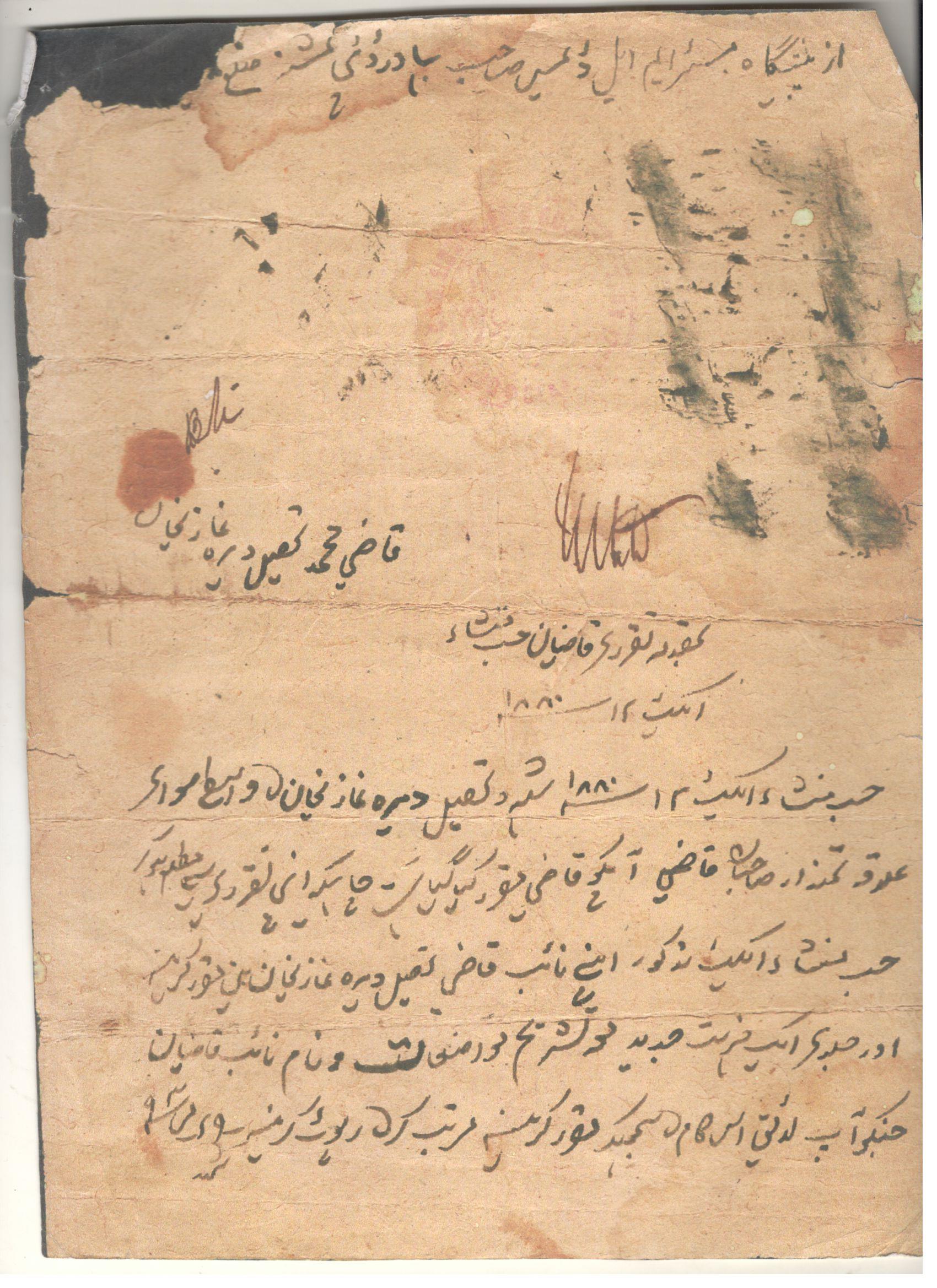
6. On 12th September 1938, in the famous case of Mirzaiyat in the court of Teerath Das, Civil Judge, Dera Ghazi Khan, Hazrat Maulana Mufti Qazi Ubaidullah Alawi رحمۃ اللہ علیہ, the conqueror of Qadian, was victorious in the case of Dera Ghazi Khan. The case was: Case of Mouza Kot Qaisrani Sample No. R(2) Register of Civil Cases Date of Receipt: 22/7/38 Serial No.: 32 Case No.: 436 - Case No. 436 Plaintiff: Channan Bibi vs. Khan Muhammad Qaisrani Nature of Case: Cancellation - 1050 Date of Decision: 15/03/1940 This case consisted of 995 pages, which continued in court from 12th September 1938 to 15th March 1940. On the day of the decision, 15th March 1940, Ameer-e-Shariat Hazrat Maulana Syed Ataullah Shah Bukhari رحمۃ اللہ علیہ himself was present in the courtroom. After listening to the well-reasoned arguments of Hazrat Mufti Qazi Ubaidullah رحمۃ اللہ علیہ in the light of the Qur'an and Hadith, he gave him the title of "Makhdoom-ul-Ulama." In this, Hazrat Maulana Mufti Qazi Ubaidullah Alawi Naqshbandi Mujaddidi رحمۃ اللہ علیہ achieved a great victory in the light of the Qur'an and Hadith.

1950

7. Likewise, in August 1950, a Mirzai preacher, Dost Muhammad Hajana Derawi, published his infamous 22 questions in the weekly magazine "Tanzeem Ahl-e-Sunnat Lahore," challenging the Muslim scholars to answer these questions. The title was: "The Destructive Activities of Sardar Ahmad Khan Pitafi of Ahl-e-Sunnat Before the Debate, Deciding on the Fundamentals Is Necessary, by Dost Muhammad Hajana, Religion Ahl-e-Sunnat wal Jamaat, Disciple of Imam Qadiani, Dera Ghazi Khan." These questions were published on pages 4 to 6 of the magazine, in which Maulana Sardar Ahmad Pitafi رحمۃ اللہ علیہ and the scholars of Pakistan were challenged to answer these questions. Sardar Ahmad Khan Pitafi Jampuri رحمۃ اللہ علیہ was a student of Hazrat Mufti Qazi Ubaidullah رحمۃ اللہ علیہ. At the request of Sardar Ahmad رحمۃ اللہ علیہ, Hazrat Mufti Qazi Ubaidullah رحمۃ اللہ علیہ answered those 22 questions in the August 1950 issue of "Tanzeem Ahl-e-Sunnat Lahore." The headline was: "Dost Muhammad Hajana's Activity in Creating Division and Escape from Debate" by Makhdoom-ul-Ulama Hazrat Maulana Qazi Ubaidullah Sahib, President Tanzeem Ahl-e-Sunnat, Dera Ghazi Khan. These answers were published from pages 9 to 14 of the magazine. Upon giving detailed answers to these 22 questions of the Mirzais, the president of the weekly Tanzeem, Hazrat Maulana Syed Inayatullah Shah Bukhari رحمۃ اللہ علیہ, wrote a letter of thanks to Hazrat Maulana Mufti Qazi Ubaidullah رحمۃ اللہ علیہ at the end of page 14 of the magazine, and Ameer-e-Shariat Hazrat Syed Ataullah Shah Bukhari رحمۃ اللہ علیہ also wrote a letter of thanks.

8. After the demise of Hazrat Maulana Shabbir Ahmad Usmani رحمۃ اللہ علیہ, who led the funeral prayer of Quaid-e-Azam Muhammad Ali Jinnah رحمۃ اللہ علیہ, Hazrat Mufti Qazi Ubaidullah رحمۃ اللہ علیہ organized a gathering for his reward at the central Eidgah Ubaidia, Dera Ghazi Khan, on 16th December 1949, and the treatise "Al-Shihab" of Hazrat Maulana Shabbir Ahmad Usmani رحمۃ اللہ علیہ, which the Government of Pakistan had banned and confiscated on the instigation of Sir Zafarullah Khan, the Mirzai Minister of Interior, and other Mirzais, Hazrat Maulana Mufti Qazi Ubaidullah رحمۃ اللہ علیہ on 15th September 1950, passed a resolution against the confiscation of the treatise with the scholars of Dera Ghazi Khan and delivered speeches in his favor at the central Eidgah Ubaidia and other places in Dera Ghazi Khan.

9. In the 1953 movement for the finality of prophethood, he was arrested. When the police officer put handcuffs on Hazrat Mufti Qazi Ubaidullah رحمۃ اللہ علیہ, they immediately fell off. Even after the second and third attempts, the handcuffs fell off again. When he put the handcuffs on another person standing nearby, they fit properly, but as soon as he tried again on Qazi Ubaidullah رحمۃ اللہ علیہ, they fell off again. The officer stood before him with folded hands, saying, "I have the order of the government, please do not be upset." He wrapped the handcuffs with a cloth around his hands and took him to the police station. His disciples and respected people of the city gathered outside the station. Eventually, fearing the movement would intensify in Dera Ghazi Khan, the government released him.

10. Hazrat Syed Amir Ali Bukhari رحمۃ اللہ علیہ, son of Syed Munshad Ali Bukhari رحمۃ اللہ علیہ, resident of Block No. 10, etc., filed a lawsuit on 8th September 1976 in the court of Syed Sultan Ahmad Shah, Civil Judge, Dera Ghazi Khan, against the Mirzais, etc., regarding giving the call to prayer (azan), performing prayers, and other Islamic rituals in the Mirzai worship house, Block No. 3. In this case, his respected teacher Hazrat Maulana Qazi Ubaidullah Alawi رحمۃ اللہ علیہ, at the age of 76, was presented in court. He compelled the judge to rule against the Mirzais with arguments from the Qur'an, Hadith, and jurisprudence, and also requested the court to present the famous case against Mirzaiyat decided on 15th March 1940 from the record room of Dera Ghazi Khan and to decide the case in its light. Immediately, that case, consisting of 995 pages, was called for. When Syed Sultan Sahib, Senior Civil Judge, studied the decision of that case, he was astonished and gave the decision in favor of Syed Amir Ali Bukhari رحمۃ اللہ علیہ, saying that the Mirzais had already been declared disbelievers before the establishment of Pakistan. Thus, Hazrat Mufti Qazi Ubaidullah Alawi رحمۃ اللہ علیہ became the conqueror of Qadian in the Mirzai case of 1976, Dera Ghazi Khan, for the second time.

Genealogy(شجرہ النسب)

The Genealogy of Hazrat Maulana Mufti Qazi Ubaid ullah Alvi Naqshbandi (R.A) can be traced back to Hazrat Abbas(Razi Allah Anha, رضی اللہ عنہ ) bin Ameerul Momineen Hazrat Ali Almurtaza(Razi Allah Anha, رضی اللہ عنہ)bin Abi Talib as follows. Qazi Ubaid ullah Alvi bin Mufti Qazi Ghulam Yasin Alavi bin Allama Abdul Razzaq Alvi Awan Al-Qadri bin Hafiz Mian Muhammad Alvi Awan Al-Qadri bin Peer Qazi Abdul Rahman Alvi Awan Al-Qadri bin Hafiz Mian Ahmad bin Hafiz Muhammad Alvi bin Hafiz Muhammad Shuja Alvi famous Hafiz Mian Sajwal bin Hafiz Abdul Rashid Alavi Awan bin Hafiz Fateh Muhammad Alvi Awan bin Hafiz Allah Datta Alavi bin Hafiz Tahim bin Hafiz Manan bin Mughlan bin Hafiz Obiada bin Hafiz Maher Ali Sughr bin Hafiz Anwar Anwun bin Hafiz Ali Balaj bin Hafiz Bihari bin Hafiz Jiwan bin Hafiz Muhammad Hassan Hasna Famous Hargan bin Hafiz Bahadur Ali Famous Badhan bin Hafiz Muhammad Tahir Famous Tareer bin Hafiz Muhammad Sughra bin Hafiz Hasan Dost Sandroj bin Hafiz Ahmad Ali Badrudin Budhu bin Hafiz Gohar Ali Abdullah Gorraa Shaheed bin Hafiz Syed Na Aoun Qutb Shah Baghdadi bin Hafiz Abu YaAli bin Hamza II bin Hafiz Tayar bin Qasim bin Ali bin Jafar bin Hamza I bin Hassan bin Ubaid ullah Madni bin Syed Na Hazrat Abbas Radi Allah Anhu(رضی اللہ عنہ) bin Syed Na Ameerul Momineen Hazrat Ali Karam Allah Wajha(کرم اللہ عنہ) Ibenay Abi Talib Hazrat Mulana Mufti Qazi Ubaid Allah Alvi Naqshbandi Mujadadi and Mujtahid R.A(رحمتہ اللہ علیہ), Sayyid Na Ameerul Momineen Hazrat Ali Karam Allah Wajah(کرم اللہ وجہہ), all the elders and ancestors(اجداد) Jalil-ul-Qadr Alam Fazil, Qazi Al-Quza and spiritual chosen persons have passed and the continuation of the grace and honour of those good elders was also being received by Mufti Qazi Ubaidullah Alvi R.A(رحمتہ اللہ علیہ

Books by Hazrat Mufti Qazi Ubaidullah

Explore the comprehensive collection of Islamic scholarship

All Fiqh Hadith Tafseer Spirituality

Teachings & Bayans

Audio and video lectures by Hazrat Mufti Sahib

All Tafseer Fiqh Hadith General

Islamic Teaching - Part 1

Complete Islamic teaching and guidance by Hazrat Mufti Qazi Ubaidullah (R.A.).

01:10:45 Download

Islamic Teaching - Part 2

Comprehensive Islamic teaching and spiritual guidance by Hazrat Mufti Qazi Ubaidullah (R.A.).

00:25:59 Download

Articles & Maqalat

Written works and scholarly articles

Historic Fatwa Against Qadianism in 1924

In his capacity as "Qazi of the City," Mufti Qazi Ubaidullah (may Allah have mercy on him) issued a fatwa of disbelief (kufr) against Qadianism in 1924, because of which the Qadianis of Dera Ghazi Khan city and the whole of India became severely opposed to him.

Read Full Article

The Path of Spiritual Excellence

Exploring the stages of spiritual development according to Islamic teachings and the importance of self-purification...

Read Full Article

Islamic Education in the 21st Century

Challenges and opportunities in Islamic education and the need for curriculum reform in madrasahs...

Read Full Article

Medical Ethics in Islam

Islamic perspectives on medical procedures, organ donation, and end-of-life care based on Quran and Sunnah...

Read Full Article

Notable Students & Khulafa

Distinguished graduates who continue the legacy

Mufti Muhammad Yousuf

Current Position: Dean of Islamic Studies, Al-Huda University

Specialization: Fiqh and Islamic Banking

Location: London, UK

Graduate of 1995, currently serving as head of the Islamic Banking Advisory Board and author of several books on contemporary Islamic finance.

Dr. Fatima Ahmad

Current Position: Professor of Islamic Studies, Cairo University

Specialization: Quranic Studies and Tafseer

Location: Cairo, Egypt

Distinguished alumna who has contributed significantly to Quranic scholarship and women's Islamic education in the Middle East.

Maulana Abdul Rahman

Current Position: Chief Imam, Central Mosque

Specialization: Hadith Sciences and Community Leadership

Location: Birmingham, UK

Leading community figure involved in interfaith dialogue and Islamic education for youth in the UK.

Shaykh Omar Hassan

Current Position: Director, Islamic Education Foundation

Specialization: Islamic Philosophy and Spirituality

Location: Toronto, Canada

Founder of multiple Islamic educational institutions and author of works on Islamic spirituality and philosophy.

Events & Programs

Upcoming memorial lectures and educational programs

Events – 08 Shawwal 1321 to 06 Dhu al-Hijjah 1405 (AH)

1974
The Blessed Journey to the House of Allah
Makkah, Madina

In 1974, Hazrat Mufti Qazi Ubaidullah Alvi (رحمت اللہ علیہ) embarked on his journey from Karachi to perform Hajj. His love and devotion for Prophet Muhammad (صلی اللہ علیہ وآلہ وسلم) were so immense that before heading to Jeddah, he first made his way to Medina Munawwara. While kissing the blessed grille (Jali) of the Prophet’s tomb, no guard stopped him, and after presenting himself at the blessed grave of the Prophet, he then proceeded to perform the Hajj pilgrimage. Hazrat Mufti Qazi (رحمت اللہ علیہ) was known for his religious and jurisprudential expertise. His teaching abilities were so renowned that, at both the Prophet’s Mosque (Masjid al-Nabawi) and the Holy Kaaba, many scholars from Saudi Arabia and other Arab regions would gather around him constantly, seeking to learn from his deep knowledge and asking him various religious and jurisprudential questions. This humble servant of Allah dedicated his life to spreading the knowledge of Islam, and his spiritual presence at the holy sites left an indelible mark on all who met him

سُبْحَانَ ٱللَّٰهِ
December 30, 1981
The founding of Madresa Arabiya Islamia Usmania in 1981
Multan Pakistan

On December 30, 1981, he laid the foundation of Madresa Arabiya Islamia Usmania in Block D. In Multan, a notorious group of criminals and drug addicts had taken control of the land where the famous Madresa Qasimul Ulum was situated. Upon his order, his brother Inspector Qazi Abdul Rahman Alvi (رحمت اللہ علیہ) took action and managed to reclaim the land from the wrongdoers. In 1940, with the help of Mufti Muhammad Shafi (Fazil Deoband), Maulana Muhammad Hussain Madani (رحمت اللہ علیہ), the head of Darul Uloom Deoband, and Maulana Mufti Muhammad Abdullah (رحمت اللہ علیہ), he established Qasimul Ulum Madresa in Multan. Hazrat Mufti Qazi Obaidullah Alvi (رحمت اللہ علیہ) dedicated his entire life to the implementation of the Shariat-e-Muhammadi (Prophetic system) in Pakistan and worked tirelessly for the establishment of mosques and madrasas, leaving behind an invaluable legacy in the field of Islamic education.

سُبْحَانَ ٱللَّٰهِ
1924
Historic Fatwa Against Qadianism in 1924
D G Khan

In his capacity as "Qazi of the City," Mufti Qazi Ubaidullah (may Allah have mercy on him) issued a fatwa of disbelief (kufr) against Qadianism in 1924, because of which the Qadianis of Dera Ghazi Khan city and the whole of India became severely opposed to him.

سُبْحَانَ ٱللَّٰهِ
1949
Establishment of Religious Institutions in Early Post-Independence Pakistan
Mosque in Block Q,C

In 1949, just after the creation of Pakistan, a mosque was constructed on the site of an old temple in Block G. The Imdadiya Mosque in Block Q and the Darsgah Niaziya in Block C were also founded in 1945.

سُبْحَانَ ٱللَّٰهِ

Contact Us

Get in touch for inquiries about Mufti Qazi Ubaid ullah R.A works or educational programs

Get in Touch

Contact Information

Address

Block No 3
Dera Ghazi Khan
Punjab
Pakistan

Phone

+92 (331) 736-7271

Email

info@muftiqaziubaidullahdervi.com

Office Hours

Monday - Friday: 9:00 AM - 5:00 PM
Saturday: 10:00 AM - 2:00 PM
Sunday: Closed

Location Map

Interactive Google Map would be embedded here

Click to view in Google Maps

Frequently Asked Questions

Common questions about Mufti Sahib's life and teachings

Who was Hazrat Mufti Qazi Ubaidullah (R.A.)?

Hazrat Mufti Qazi Ubaidullah (Rahmatullah Alaih) was a renowned Islamic scholar, jurist, and spiritual guide who dedicated his life to teaching and spreading Islamic knowledge. He was an expert in Islamic jurisprudence, Quranic studies, and Hadith sciences.

How can I access his books and teachings?

Most of Mufti Sahib's books are available for free download on our website. You can also access audio and video lectures through our Teachings section. All resources are provided at no cost to facilitate the spread of Islamic knowledge.

Are the books available in languages other than Arabic?

Yes, many of Mufti Sahib's works have been translated into Urdu, English, and other languages. We are continuously working on translating more works to make them accessible to a wider audience.

Can I use his materials for educational purposes?

Yes, all materials are provided for educational and scholarly purposes. You may use them in your teaching, research, or personal study. We only ask that you provide proper attribution when using the materials.

How can I support the preservation of his legacy?

You can support us through donations, volunteering for translation projects, sharing the resources with others, or participating in our educational programs. Every contribution helps preserve and spread Mufti Sahib's valuable teachings.

Do you organize regular events or programs?

Yes, we organize annual memorial lectures, book reading sessions, and educational seminars. Check our Events page for upcoming programs and registration details.

Privacy Policy

Last updated: July 2025

Information We Collect

We collect information you provide directly to us, such as when you:

  • Subscribe to our newsletter
  • Make a donation
  • Contact us through our forms
  • Register for events

How We Use Your Information

We use the information we collect to:

  • Provide and improve our services
  • Send you educational content and updates
  • Process donations and registrations
  • Respond to your inquiries

Data Security

We implement appropriate security measures to protect your personal information against unauthorized access, alteration, disclosure, or destruction.

Contact Us

If you have any questions about this Privacy Policy, please contact us at privacy@muftiqaziubaidullah.org